
Why do houses have windows? It sounds obvious, but the answer takes us through ancient openings, Roman glass, medieval light, architecture, comfort, and the same question El Paso homeowners still face today: how do you let the outside in without letting too much of the outside in?
Upgrade the Oldest Idea in the House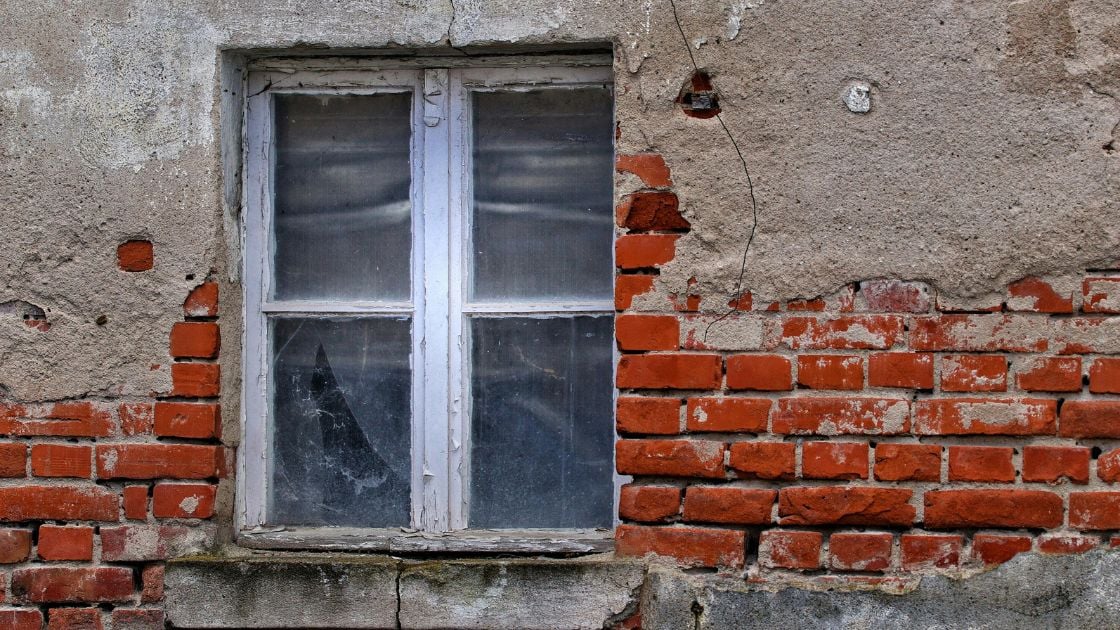
At its most basic level, a window is a hole in a wall. Humans built walls for protection, then cut openings into them because living in complete darkness was not much better.
Windows evolved from simple openings into one of the most important comfort and design features in the modern home.
The first windows were not glass. They were simple openings designed to let in daylight and air. Without electricity, daylight was essential. Without ventilation, smoke, heat, and stale air could build up inside.
But an opening in a wall created another problem: it allowed in rain, dust, insects, cold, heat, and sometimes danger. So early windows were often small, high, or covered with simple materials.
Before modern glass became common, window openings could be covered with wood shutters, cloth, oiled fabric, animal hide, paper, thin stone, mica, shell, or other translucent materials.
The goal was always the same: bring in light, control air, and protect the interior.
The Romans are often credited with some of the earliest uses of glass in windows, but glass windows were not common for most people.
Early glass was often thick, uneven, cloudy, expensive, and limited. It could let light in, but it did not offer the clear view of a modern window.
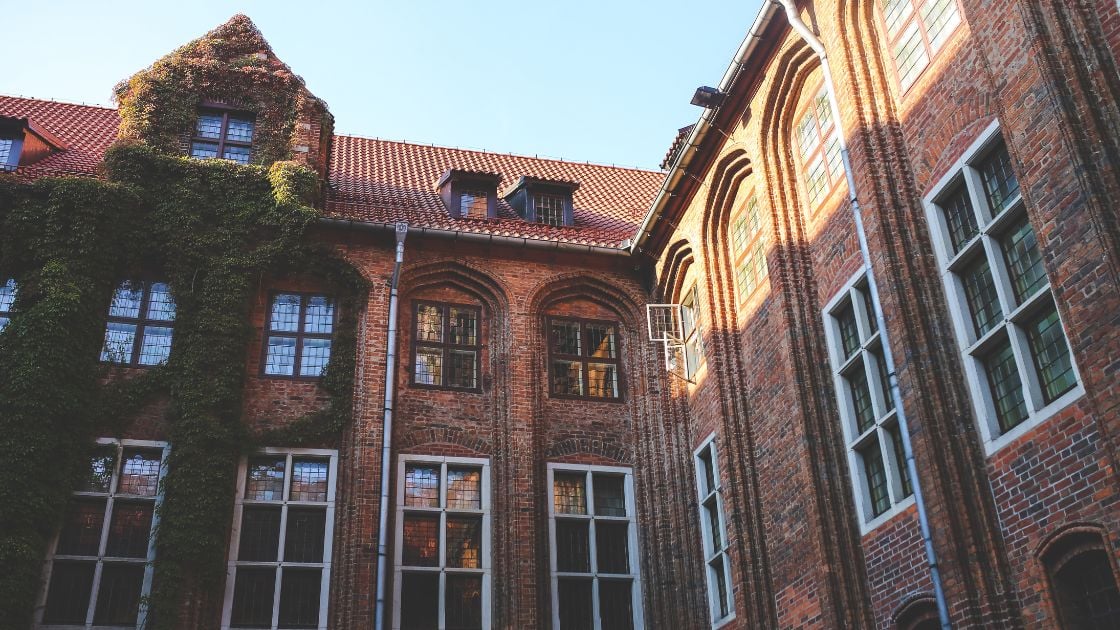
Today, we barely notice windows because every home has them. But for much of history, windows were a sign of wealth, technology, and status.
Glass was difficult to make. Clear glass was even harder. Large panes were nearly impossible for a long time. That is why older windows were often made of many small pieces of glass held together by frames or lead strips.
A big, bright, clear window was not always normal. It was special.
Windows bring light, air, views, comfort, and identity into the home. They are practical, but they are also emotional.
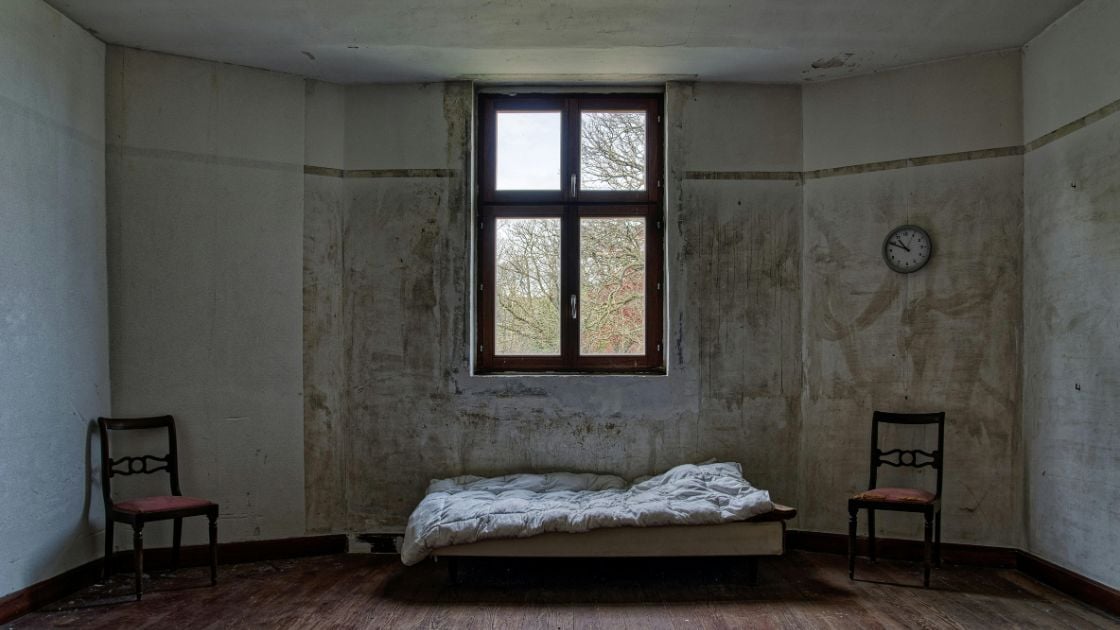
At the most basic level, houses have windows because people need natural light. A room without daylight can feel closed, heavy, and uncomfortable.
Natural light changes the way a home feels throughout the day. It makes rooms feel more open, more usable, and more connected to life outside.
Before modern HVAC systems, windows were one of the main ways to move air through a home.
Even today, operable windows can help bring fresh air into a space when weather allows. The need for ventilation is one of the oldest reasons windows exist.
Windows let people see the street, the garden, the mountains, the sky, or the backyard.
They turn a wall into a connection. They make the home feel less isolated and more connected to the world around it.
Modern windows are expected to do many things at once. They need to bring in light, reduce unwanted heat transfer, seal properly, open smoothly, support security, and match the style of the home.
In El Paso, windows are not only decorative. They are part of how the home responds to desert conditions.
In medieval churches and cathedrals, windows became more than practical openings. Stained glass turned light into color, storytelling, atmosphere, and emotion.
This is one of the most interesting things about windows: they are both technical and emotional.
They affect temperature, ventilation, and protection. But they also affect mood, beauty, privacy, and the feeling of a room.


How do you bring in natural light without making the home too hot? How do you enjoy a view without turning the room into a heat trap?
The ancient window problem was simple: how do you let light and air in without letting too much weather in?
El Paso homeowners still face a modern version of that same problem. Sunlight, heat, dust, wind, and comfort all matter.
A patio door brings in light, frames the backyard, connects indoor and outdoor living, and changes how a room feels.
But in El Paso, large glass also needs to be managed carefully. The right patio door can improve light, access, comfort, and style.
If windows are about light and air, doors are about access and protection.
A modern entry door also affects comfort, security, curb appeal, and energy performance.
The history of windows is really the history of balance: light and shade, openness and privacy, fresh air and protection, beauty and performance, views and comfort.
We want homes that protect us without isolating us.
Windows and doors are ancient ideas, but they should not feel ancient in your home. You may want to explore replacement options if you notice:
Houses have windows to bring in natural light, provide ventilation, create views, improve comfort, and connect the inside of the home with the outside world.
The Romans were among the earliest civilizations to use glass in windows, although glass windows were rare and expensive in Roman times. Earlier openings often used shutters, cloth, mica, shell, or other materials.
Before modern glass became common, window openings could be covered with wood shutters, cloth, oiled fabric, animal hide, paper, mica, shell, or thin stone, depending on the region and period.
In El Paso, windows affect natural light, heat gain, indoor comfort, dust control, views, curb appeal, and how hard the cooling system has to work.
You may want to replace your windows if they are drafty, difficult to open, cloudy between panes, damaged, outdated, or making your home feel too hot or uncomfortable.
Windows began as simple openings in walls. Today, the right windows and doors can help your home feel brighter, more comfortable, more efficient, and more connected to the outdoors.
Schedule a Free Consultation with Inhaus USA